
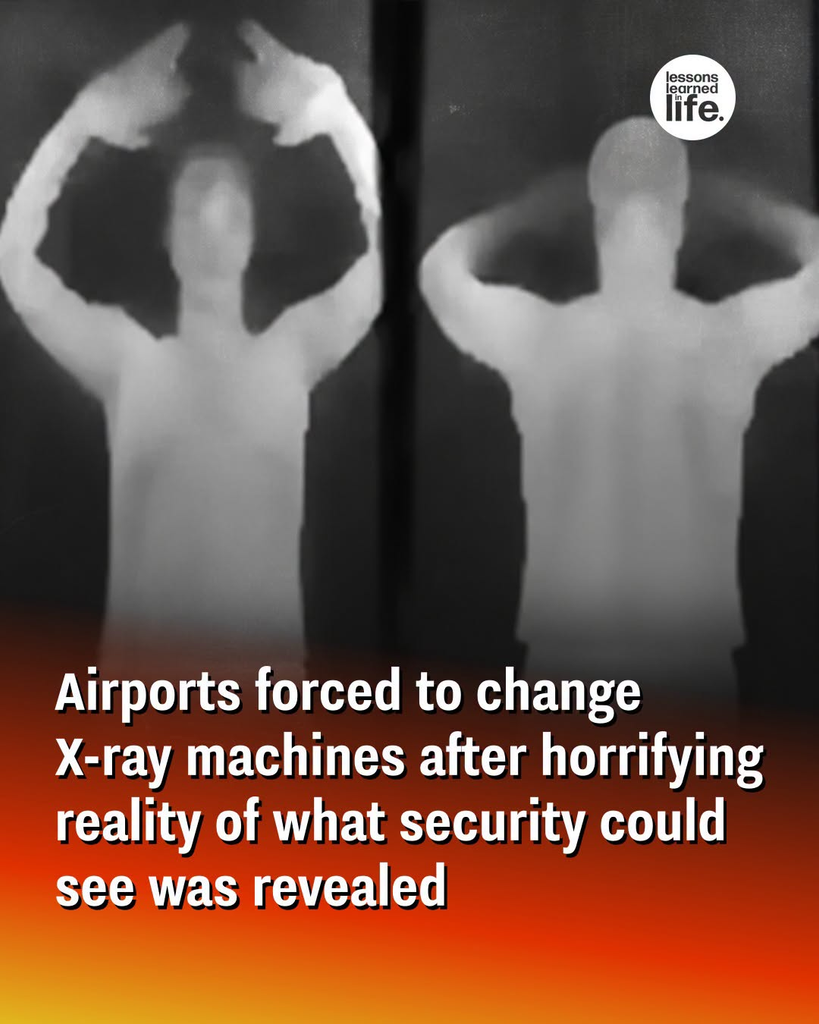
An ‘invasive’ form of X-ray airport scanner had to be removed after it was accused of subjecting travellers to a humiliating ‘virtual strip tease’.
They were brought into use following a failed terrorist attack on Christmas Day 2009. Umar Farouk Abdulmutallab was caught trying to blow up a Detroit-bound flight using explosives he smuggled in his underwear, and while the plot failed due to a malfunction in the device, it understandably spooked the Transportation Security Administration (TSA).
Security consultant Will Geddes previously told LADbible: “The biggest problem that obviously the TSA had was if [explosives are] body worn and you went through a traditional gate, it would just pick up anything metallic and there was no means of actually looking at the body intrinsically to find out if there was anything body worn.”
Geddes said after Abdulmutallab’s attempted bombing that obviously, ‘all the airports went into this action, a sort of tailspin with we’ve got to get this new security in place now’.
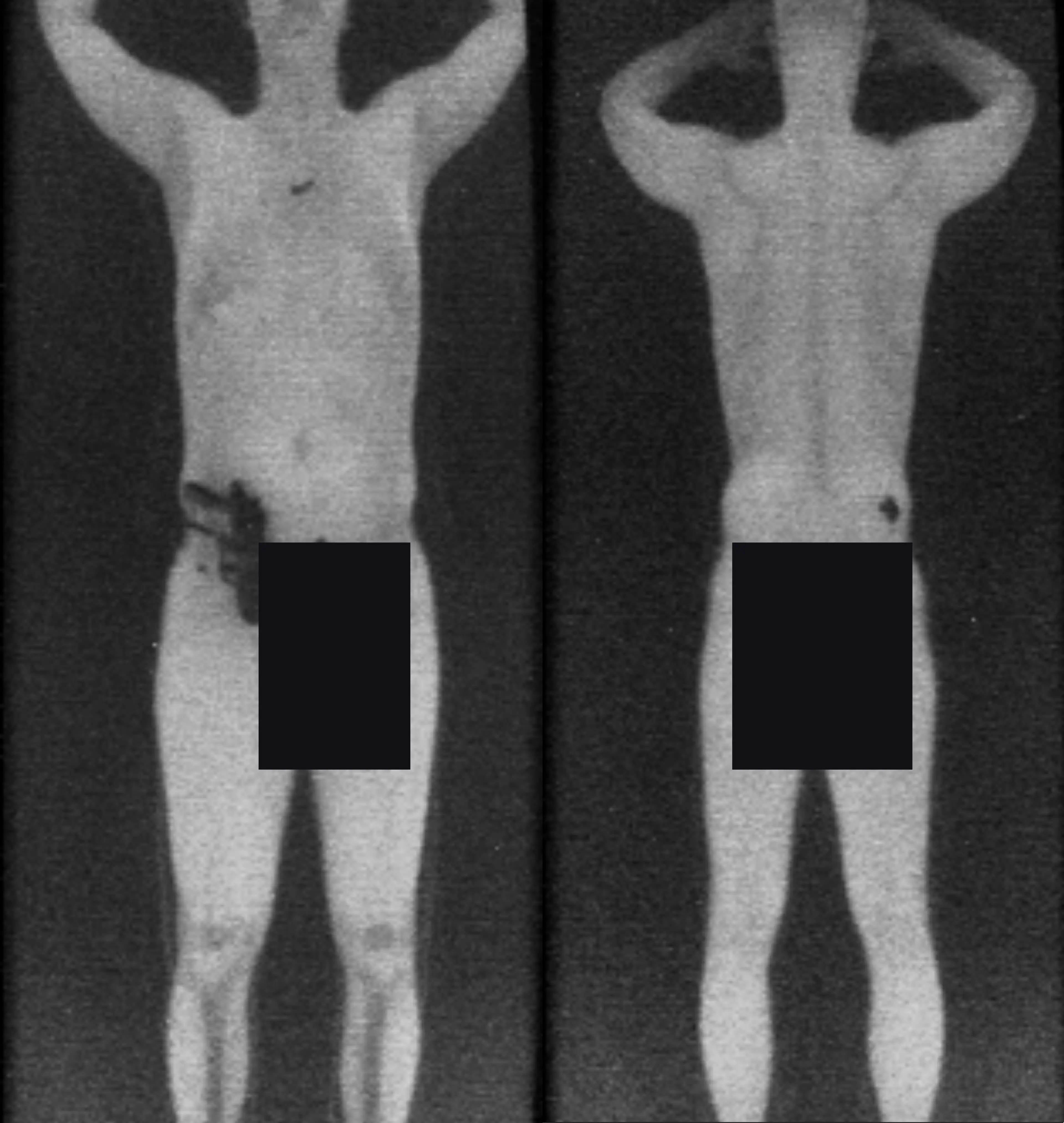
The right image shows how the scanners could detect a concealed gun (Radsec.org)
He added: “Typically in the States, for federal agencies, the TSA especially, they just buy the first thing that they could possibly get.”
In 2010, that ended up being Rapiscan scanners, which cost the TSA $180,000 a pop.
Unfortunately, they showed everything, being referred to as ‘virtual strip teases’ in which TSA officers were essentially able to see people fully naked when they went through.
According to a scientific journal entry by University of California radiology experts, the machines generated ‘detailed and revealing images of those screened- the machines generate outlines that reveal genitalia, breasts, buttocks, fat creases and all types of prosthetics, catheters and piercings’.
The American Civil Liberties Union (ACLU) called the machines ‘a striking and direct invasion of privacy’. It said the scanners created ‘graphic images of passengers’ bodies, essentially taking a naked picture of air passengers as they pass through security checkpoints’.
As well as exposing ‘private body parts’, the ACLU said it also revealed ‘intimate medical details’ like incontinence pads and colostomy bags.
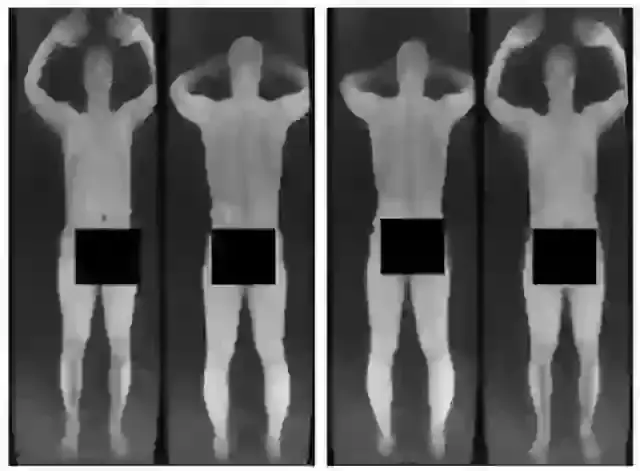
The full body scanners are no longer in operation (X)
The president of the Allied Pilots Association, which represents thousands of American Airlines, asked pilots to ‘politely decline AIT exposure and request alternative screening’, citing ‘needless privacy invasion’.
To protect passengers’ privacy, the TSA introduced software that blurred passengers’ faces on the scanners and rendered the images as a ‘chalk outline of subjects’. They also made sure staff viewing the scanned images couldn’t see the passengers being scanned, and – thankfully – disabled the scanners’ capacity to store and export the images.
There were also concerns about radiation risks from the X-ray scanners, although a Rapiscan spokesperson told PBS the radiation from a scan was ‘the same level of radiation you get from eating about half a banana’.
Rapiscan were ultimately given a deadline in 2013 to update their software to address privacy concerns, and as they were unable to meet that deadline, the travel agency released the following statement: “TSA has strict requirements that all vendors must meet for security effectiveness and efficiency.
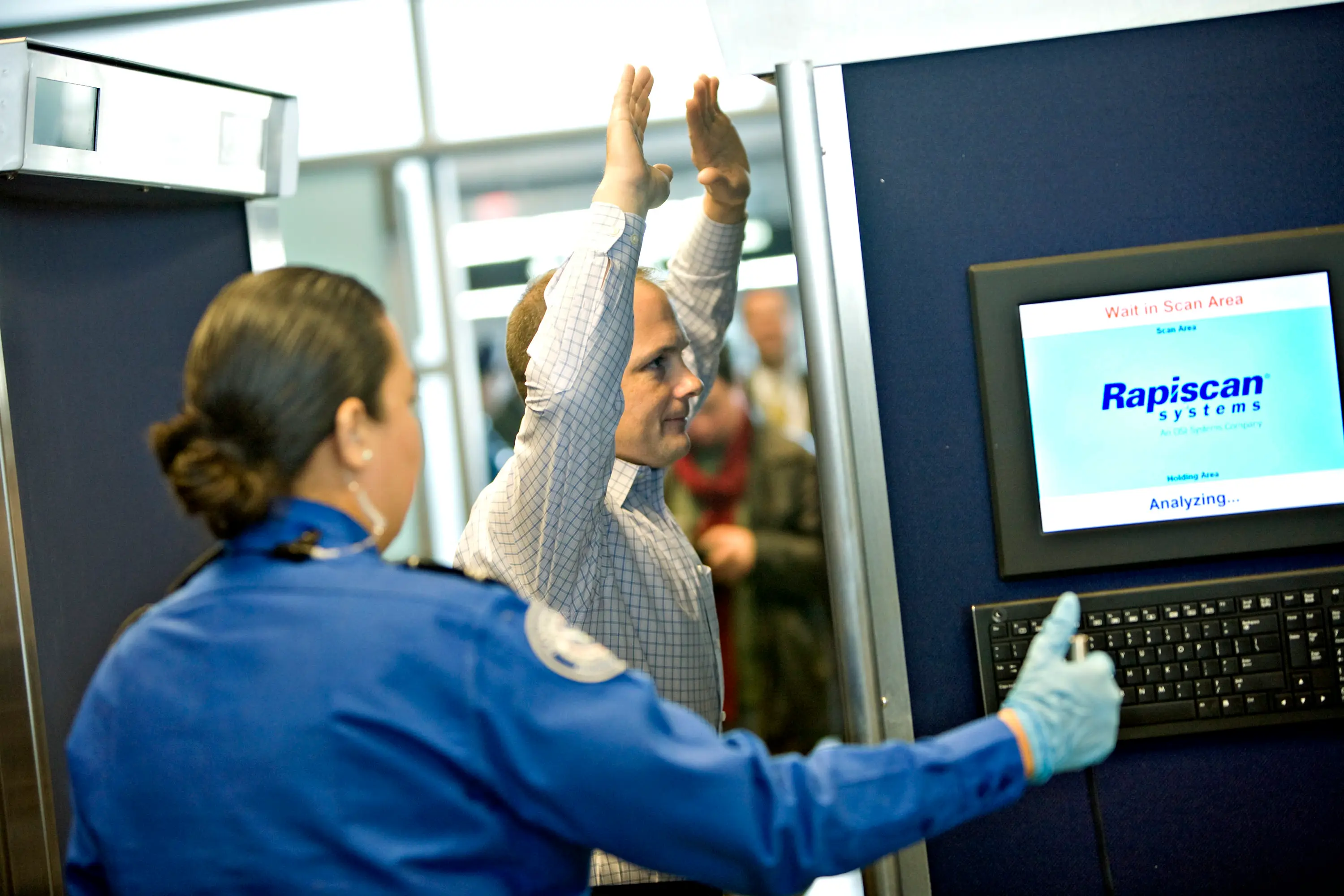
Rapiscan machines were installed in US airports in 2010, but were withdrawn three years later (Michael Fein/Bloomberg via Getty Images)
“Due to its inability to deploy non-imaging Automated Target Recognition (ATR) software by the Congressionally-mandated June 2013 deadline, TSA has terminated part of its contract with Rapiscan.
“By June 2013 travellers will only see machines which have ATR that allow for faster throughput.
“This means faster lanes for the traveller and enhanced security. As always, use of this technology is optional.”
According to Forbes, the debacle cost Rapiscan over $40 million in revenue.
Now, thankfully, if you walk through security scanners, they don’t just get a full view of you nude as they could for a few years.